How Much Is the Average Patio Cost? (2026 Pricing Guide)
If you’re planning to build or replace a patio, the first number most homeowners want is a straightforward one: how much is the average patio cost? Across the United States, a professionally installed patio typically runs between $2,000 and $6,000, with most people landing right around $3,700 for a standard project. The honest answer, though, is that the price depends heavily on the material you choose, the size of the space, and how much site preparation your yard needs.
A basic poured concrete slab starts near the bottom of that range, while a natural-flagstone patio with built-in seating can push past $10,000 without much trouble. The good news is that plenty of middle-ground options — pavers and stamped concrete chief among them — deliver an upscale look at a price most budgets can absorb. This guide breaks down real numbers so you can price your project before you ever call for a quote.
How Much Is the Average Patio Cost?
For planning purposes, expect to pay between $4 and $30 per square foot for a patio, including materials and labor. Most homeowners spend roughly $3,700 total, and the typical square-footage sweet spot — a 120 to 200 square foot patio — lands in the $2,900 to $5,500 range once excavation, gravel base, and finishing are factored in.
As a general rule, remember this: the material itself is usually only 30 to 50 percent of the bill. Labor to grade the site, haul in a compacted gravel base, and set or pour the surface is the other major line item, and it doesn’t shrink much on a smaller project. That fixed labor component is why very small patios often cost more per square foot than large ones.
Here’s a quick reference for the numbers most DIY calculators use:
- Average total cost: $3,700
- Typical range: $2,000 to $6,000
- Cost per square foot: $4 to $30
- Low-end (gravel): as little as $1 to $3 per square foot
- High-end (natural stone): $25 to $50+ per square foot
Patio Cost by Material
The single biggest lever on your patio budget is the material you put underfoot. Each option carries a different price per square foot, a different lifespan, and a different maintenance schedule, so the upfront cost only tells part of the story.
| Factor | Poured Concrete | Concrete Pavers | Natural Stone | Gravel |
|---|---|---|---|---|
| Cost per sq ft (installed) | $4–$15 | $10–$25 | $15–$50 | $1–$3 |
| Typical lifespan | 25–30 years | 25–50 years | 50+ years | Replenished as needed |
| Maintenance | Seal every few years | Occasional joint sand | Periodic sealing | Rake and top up |
| DIY friendly? | Moderate | Yes | Difficult | Very easy |
| Best for | Budget builds, modern look | Custom patterns, resale | High-end, unique textures | Quick paths, fire-pit areas |
Concrete pavers remain the most popular upgrade choice because they mimic stone at roughly half the price and are forgiving to install. They also tolerate freeze-thaw cycles better than a solid slab, since the individual units can shift independently. Gravel is the clear budget winner — a 200-square-foot gravel patio can be finished for under $600 in materials.
Patio Cost per Square Foot
If your contractor quotes by the square foot, here’s how each material breaks down once labor is included in the price:
- Gravel or crushed stone: $1–$3 per sq ft. Essentially a base layer on its own, finished with landscape edging to hold it in place.
- Standard poured concrete: $4–$8 per sq ft for a plain broom-finished slab. Add stamping or coloring and expect $10–$18 per sq ft.
- Concrete pavers: $10–$25 per sq ft installed, varying by paver thickness, color, and pattern complexity.
- Brick: $12–$22 per sq ft. Classic look, but the per-unit labor is higher than pavers.
- Natural stone (flagstone or bluestone): $15–$50 per sq ft. The stone itself is the cost driver; irregular flagstone requires skilled cutting and fitting.
- Tile or travertine: $15–$30 per sq ft, usually reserved for covered patios in warmer climates.
Stamped concrete deserves a special mention. It gives you the look of stone or brick at $10 to $18 per square foot — meaning a 180-square-foot patio can be transformed for about the same price as plain pavers, with no individual units to settle over time.
Patio Size and How It Changes the Price
Size is a straightforward multiplier on materials, but it also influences a few hidden costs. Contractors often have minimum charges in the $1,200 to $2,500 range to cover getting equipment and crew to your door, so a tiny patio never scales downward as cheaply as the math suggests.
Here’s how common patio sizes typically price out:
10×10 Patio (100 sq ft)
A compact patio for a bistro set or grill. Expect $1,000 to $2,500 depending on material. Smaller jobs lean toward the higher per-square-foot end because of the minimum-charge floor.
12×12 Patio (144 sq ft)
The most popular mid-size footprint, often $1,800 to $3,900. It comfortably holds a four- to six-person dining setup.
20×20 Patio (400 sq ft)
A genuinely entertaining-sized space, running $4,000 to $12,000. At this scale, material choice dominates the total, and a paver or stone selection can meaningfully change the quote.
If your patio plan includes a deck instead, the math runs a little differently — see how much a 12×12 deck costs for a side-by-side comparison of the two structures.
Factors That Affect the Cost of a Patio
Beyond material and size, five factors move the final number more than most homeowners expect.
- Site preparation and grading. If your yard slopes or the soil is soft clay, the crew will need to excavate deeper and haul in more gravel base. Poor drainage can add $1 to $3 per square foot in prep work.
- Access. A patio tucked behind the house where a wheelbarrow is the only option takes longer than one reachable by skid steer. Tight access raises labor.
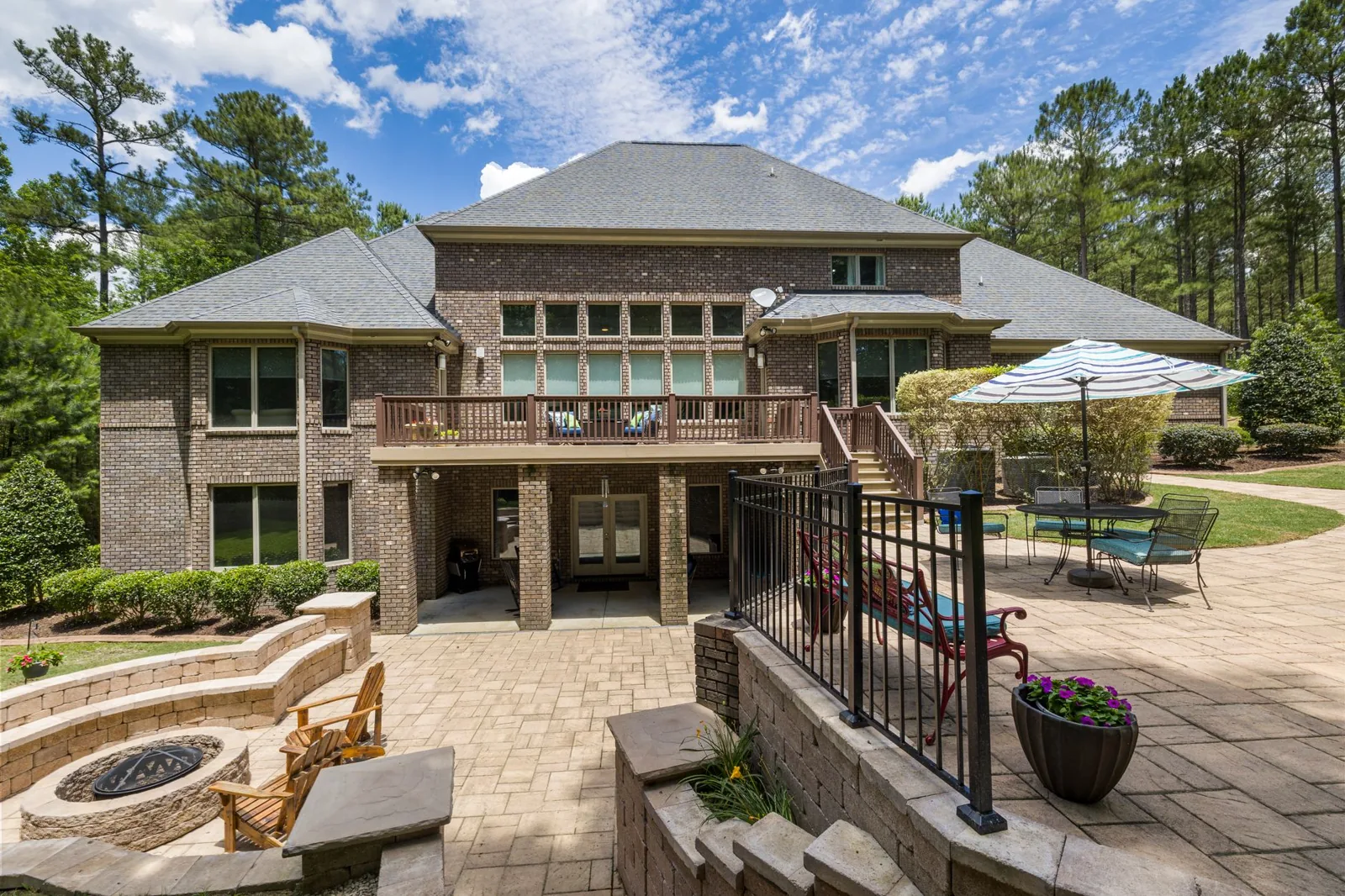
- Finishes and add-ons. Built-in seating walls, fire pits, lighting, and steps all layer on cost. A modest seating wall alone often runs $3,000 to $6,000.
- Permits and removal. Tearing out an old concrete slab runs $2 to $6 per square foot, and some municipalities require a permit for patios attached to or covering part of a foundation.
- Season and demand. Landscapers and hardscape crews book up in spring and early summer. Booking for fall or even late winter can trim 10 to 15 percent off labor in some regions.
DIY vs. Hiring a Pro
Building your own patio is genuinely possible for gravel and paver projects, and it’s the single largest savings opportunity most people have. A DIY paver patio for a 200-square-foot area might cost $1,000 to $2,000 in materials, versus $2,000 to $5,000 installed — a meaningful difference.
The trade-off is labor and longevity. Proper compaction of the gravel base is what keeps a paver patio flat for decades, and it’s the step amateurs most often rush. Renting a plate compactor ($60 to $90 per day), buying or renting a sod cutter, and hauling several tons of base material is a real weekend-long (or two-weekend-long) project.
Poured concrete is different. It requires forming, reinforcement, and a timed pour that’s hard to get right solo, and a botched slab is expensive to remove. For a stamped or large concrete patio, hiring a licensed contractor is almost always worth it.
If you’re also weighing a deck and want to understand full-project pricing before you commit, our breakdown of how much a deck installation costs walks through the same material-plus-labor math.
How to Save on a Patio
You don’t have to sacrifice the finished look to keep the project affordable. A few proven levers:
- Choose pavers over natural stone — you get the texture for roughly half the installed price.
- Go with a clean, simple layout. Intricate patterns and borders add cutting time and waste; a running-bond pattern uses pavers efficiently.
- Opt for gravel in phases. Lay a compacted stone surface now, then upgrade to pavers later when the budget allows.
- Bundle projects. Having the same crew handle excavation, a walkway, and minor grading in one trip is cheaper than three separate visits.
- Book off-season. Hardscape crews often discount labor in late fall and winter.
For current benchmarks and deeper how-to detail, the team at This Old House keeps regularly updated reference guides worth bookmarking.
Frequently Asked Questions
What is a good budget for a patio?
For most homeowners, a realistic budget is $2,000 to $6,000 for a professionally installed patio in the 100 to 250 square foot range. A tighter budget of around $1,500 can cover a smaller gravel or basic concrete patio.
How much does a 20×20 paver patio cost?
A 400-square-foot paver patio typically runs $4,000 to $10,000 installed. At that size, the paver style, pattern, and any edging or border you add will swing the total considerably.
Is a patio cheaper than a deck?
Generally, yes. A concrete or paver patio usually costs less per square foot than a wood or composite deck, and it needs far less maintenance. Decks pull ahead when you’re building on a steep slope, where a raised structure avoids the cost of heavy grading and retaining walls.
How long does a patio take to install?
A standard 200-square-foot concrete or paver patio typically takes 2 to 5 days from excavation to finished surface, weather permitting. Concrete needs additional curing time — usually a week before heavy furniture and three to four weeks before driving anything on it.
Does a patio add value to a home?
Yes. A well-built paver or stone patio consistently ranks among the top outdoor projects for return on investment, according to HomeAdvisor, often recouping a large share of its cost at resale because it expands usable living space.
Does a patio increase property taxes?
Adding a patio can trigger a modest property-tax reassessment in some areas, since it’s considered an improvement to the land. The impact is usually small compared to an addition or enclosed structure, but it varies by county.
The Bottom Line
How much is the average patio cost? In plain terms, plan on $2,000 to $6,000 for a standard install, with $3,700 as the midpoint and a per-square-foot range of $4 to $30 that tracks closely with your material choice. Concrete and gravel sit at the budget end, pavers occupy the value sweet spot, and natural stone tops the scale.
The most reliable way to keep the number predictable is to get at least three written quotes that break out materials, labor, and site prep separately — then compare them line by line rather than on the bottom line alone. If you’re still deciding between a patio and other outdoor structures, our guide to how much a deck should cost is a useful next read. When you’re ready to build, check references, confirm the crew plans to compact the base properly, and you’ll end up with a surface that looks good and stays flat for decades.