Farm Fence Installation Cost Per Foot: 2025 Pricing Guide
Most property owners start with one question: what is the farm fence installation cost per foot? The honest answer is that it depends entirely on what you’re building. A basic barbed-wire fence can run $2 to $4 per linear foot including labor, while a post-and-rail wooden fence or high-end vinyl fence can push well past $15 to $30 per foot. For a typical agricultural property, expect a realistic national average of roughly $7 to $16 per foot once posts, wire, gates, and labor are all counted.
The material you choose, the terrain you’re fencing, and who installs it all swing that number dramatically. Below we break down real per-foot prices by fence type, what drives the cost up or down, and how to budget a fence that holds livestock in — without paying more than you need to.
Farm Fence Installation Cost Per Foot by Type
Different farm fences exist for different jobs. A woven-wire fence built to contain goats or sheep costs far more than a three-strand barbed-wire fence meant only to mark a property line. Here’s how the most common options compare on an installed, per-foot basis.
| Fence Type | Installed Cost Per Foot | Best For |
|---|---|---|
| Barbed wire (3–5 strand) | $2.00 – $4.00 | Cattle, large pasture, property lines |
| High-tensile wire | $2.50 – $5.00 | Horses, cattle, long runs, low maintenance |
| Woven wire / field fence | $4.00 – $8.00 | Sheep, goats, hogs, smaller livestock |
| Wood post and rail | $10.00 – $20.00 | Horses, aesthetics, high visibility |
| Split rail | $12.00 – $20.00 | Property lines, decorative rural look |
| Vinyl / pipe fence | $15.00 – $30.00+ | Horses, curbside appeal, near-zero upkeep |
Wire fences dominate real-world farm budgets because they cover the most ground for the least money. Wood and vinyl step in where visibility, safety, or how the fence looks from the road matter as much as what it contains.
What Determines the Cost of a Farm Fence?
Per-foot pricing doesn’t mean much until you understand the variables underneath it. Two neighbors can fence the same 500 feet and land on wildly different invoices.
Material choice
This is the single biggest lever. Woven wire runs about twice the cost of barbed wire because it uses more steel and more labor to stretch and staple. Vinyl fencing costs several times more than wood and requires professional installation, which is why you rarely see it on working farms and almost always see it around horse properties and rural homes.
Terrain and post spacing
Flat, open pasture is the cheapest ground to fence. Rocky or sloped land forces contractors to dig slower, bring in equipment, and set posts closer together. Areas with heavy clay or hardpan also add to hourly digging time. A hilly field can add 20 to 40 percent to the per-foot price compared with a flat one.
Gates and corners
Corners are the backbone of any wire fence — they carry the tension — and they cost more per foot than straight runs because each one needs braced assemblies. Every gate you add introduces its own material and labor cost, typically $150 to $600 installed depending on width and whether it’s a simple wire gate or a steel tube gate.
Site prep and clearing
If the fence line runs through brush, old fence remnants, or trees, clearing adds real cost. Removing old fencing usually runs $1 to $3 per foot on its own. Demolition and haul-away for a rotted wooden fence can total $1,000 or more before the new fence even starts.
Labor and your location
Farm fence labor generally bills at $30 to $60 per hour, or roughly $3 to $8 per installed foot depending on the region. Rural areas with plenty of fencing contractors often price lower than metro-adjacent markets. Get at least three quotes; per-foot labor spreads of 50 percent are common between bidders.
The Most Common Farm Fence Materials, Explained
Understanding what goes into each fence type helps you spend money where it actually matters.
High-tensile wire
High-tensile fencing uses smooth, springy steel wire pulled tight between braced end posts. It’s the workhorse of modern livestock fencing: strong enough for horses and cattle, nearly invisible, and cheap to maintain once installed. Expect $1 to $2 per foot for materials plus $1.50 to $3 per foot for installation and posts.
Woven wire and field fence
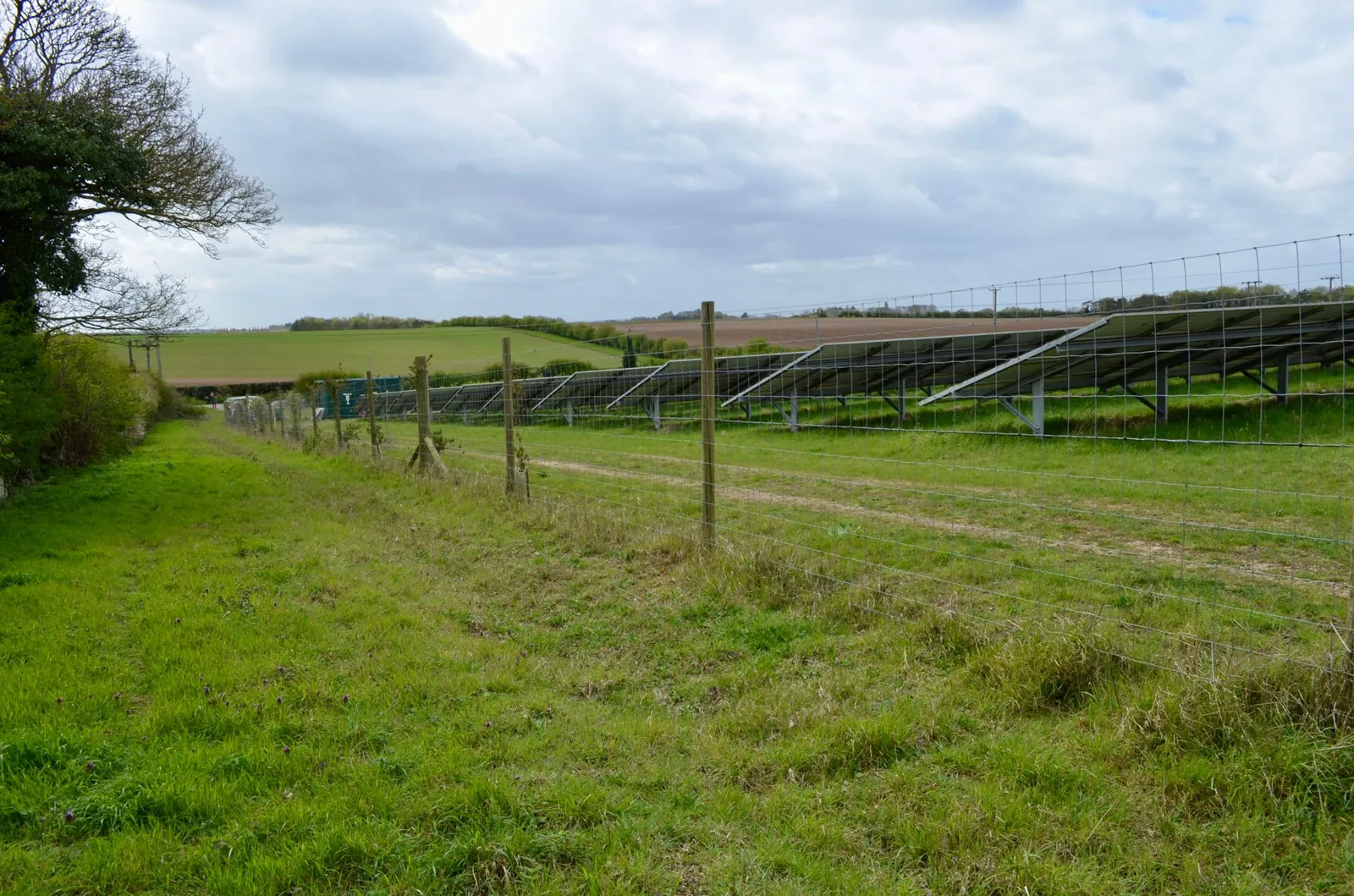
Woven wire is the go-to for sheep, goats, and hogs because the mesh is small enough that smaller animals can’t slip through. You’ll often see a strand or two of barbed wire run along the top to deter climbing predators. Materials run $1.50 to $3 per foot, with installation bringing the total to $4 to $8 per foot.
Barbed wire
The cheapest option and still standard for large cattle operations. A three-strand fence costs less than a five-strand one, but five strands are far more effective at stopping a determined bull. Budget $1 to $2 per foot for materials and similar for labor.
Wood post and rail
Wood looks right on a horse farm and is highly visible to animals, which reduces run-in injuries. The trade-off is cost and upkeep: wood posts rot, boards warp, and periodic replacement is inevitable. Count on $10 to $20 per foot installed, with cedar and pressure-treated pine at the lower end and premium species higher.
Vinyl and pipe fence
Vinyl (and its steel cousin, pipe-and-cable fence) is the premium option, built to look crisp for decades with almost no maintenance. It’s also the most expensive and generally not economical for fencing a working pasture. Save it for boundary lines, driveways, and areas where the fence is part of the home’s curb appeal.
Labor Costs for Farm Fence Installation
On most farm fence jobs, labor is 40 to 60 percent of the total bill. Breaking it down helps you spot a fair quote.
Per-foot pricing
Contractors often quote wire fences at a bundled per-foot rate of $3 to $8, which includes posts, wire, and installation. Wood and vinyl fencing is usually quoted separately for materials and labor because the material cost is so high. If a quote looks too good to be true on a wire fence, check whether end braces, gates, and corner posts are included — those are where low-ball bids quietly cut corners.
Per-hour pricing
Hourly work runs $30 to $60 per crew hour, and a two-person crew can typically set and stretch 200 to 400 feet of wire fence in a day depending on terrain. That translates to roughly $2.50 to $4.00 per foot in labor for a straightforward wire fence, and much more for wood or vinyl.
DIY versus hiring a contractor
A competent DIYer can install wire fencing for the cost of materials plus rented equipment — often 50 percent or more off the total. But fence work is physically brutal and mistakes are unforgiving: a poorly braced corner will sag within a season, and stretching wire without the right tools is how you get a fence that looks fine for a year and collapses in a storm. If you’re fencing more than a few hundred feet, hiring out the braced corners and doing the straight runs yourself is a solid middle path.
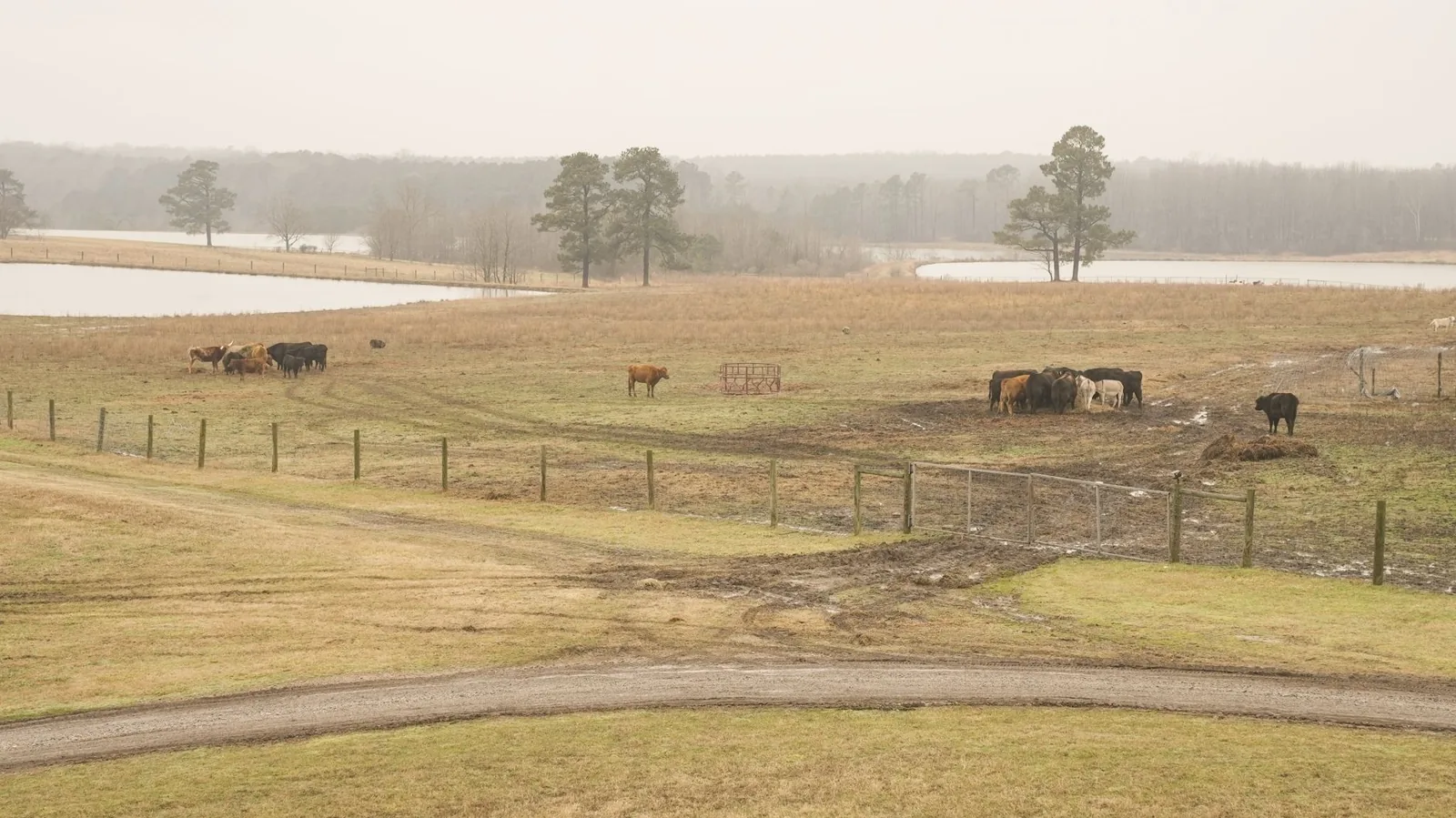
If you’re replacing an older fence rather than starting fresh, the numbers shift — see how much it costs to replace a fence per foot for a deeper explore removal and disposal costs. For a broader look at total project spend, our guide to what fencing costs overall breaks down material and labor splits across every style.
How to Save Money on Farm Fence Installation
- Fence in stages. Post and brace the whole perimeter first, then add wire as budget allows.
- Use high-tensile wire instead of woven wire where your animals allow it — it’s cheaper and lasts longer.
- Buy posts in bulk from a farm supply store rather than a big-box retailer.
- Do your own clearing and old-fence removal before the contractor arrives.
- Time the job for the off-season (late fall and winter), when fencing crews are less booked.
- Standardize gate sizes so you can buy the same hardware repeatedly instead of custom pieces.
Rounding up your budget ahead of time matters — to see how a full enclosure typically pencils out, check our breakdown of how much a full fence costs.
Frequently Asked Questions
How much does it cost to fence 1 acre?
One acre is 208.71 feet on each side, or roughly 835 linear feet of perimeter. At $2 to $4 per foot for barbed wire, expect about $1,700 to $3,300 for a basic fence; woven wire at $4 to $8 per foot pushes the total to $3,300 to $6,700. The shorter the run, the higher the per-foot cost tends to go, because corners and gates spread across fewer feet.
How much does farm fence installation cost per foot for wire?
Wire fencing runs about $2 to $8 per installed foot depending on the style. Barbed wire sits at the bottom of that range, woven wire and field fence near the top, and high-tensile wire in the middle.
Is it cheaper to build a fence yourself?
Yes — usually 40 to 60 percent cheaper. The catch is that wire stretching, corner bracing, and post setting require specific tools and real technique. The savings are worth it only if you’re physically up for the job and willing to learn before you start, not mid-project.
How long does a farm fence last?
A well-built high-tensile or woven-wire fence lasts 25 to 40 years with occasional maintenance. Barbed wire typically lasts 15 to 25 years. Wood post-and-rail lasts 15 to 25 years, with post replacement along the way. Vinyl can last 30-plus years. Longevity depends far more on corner construction and post depth than on the wire itself.
What’s the cheapest way to fence a field?
Three- or five-strand barbed wire on treated wood or steel T-posts is the cheapest permanent option at roughly $2 to $4 per foot installed. For temporary grazing, a single strand of high-tensile electric wire can run well under $1 per foot — but it requires a charger and regular checking to stay effective.
The Bottom Line
The farm fence installation cost per foot ranges from about $2 for a basic barbed-wire run up to $30 or more for premium vinyl or pipe fencing, with most agricultural projects landing between $4 and $16 per foot installed. Wire is realistically where working-farm budgets are spent, while wood and vinyl earn their premium on horse properties and boundary lines where looks and visibility matter.
The most reliable way to lock in a fair price is to understand the materials, get three written quotes that all itemize corners, gates, and braces the same way, and pay for quality bracing and deep post setting — the two details that decide whether your fence lasts five years or forty. For authoritative reference on materials and technique, Angi’s fence cost guide and This Old House’s fencing overview are good starting points.
Ready to fence your property? Start with the perimeter, price the wire and posts per foot, and you’ll know your real number before the first post hole goes in.