How Much Does a Simple Deck Cost?
A simple deck costs between $1,200 and $4,000 in most parts of the US, with the national average landing around $2,000 to $2,800 for a basic, no-frills structure. “Simple” is doing a lot of work in that sentence, though. A 10×10 ground-level platform built from pressure-treated pine sits at the low end, while a modest raised deck with stairs and a railing pushes toward the top of the range.
That spread exists because a deck’s price is driven almost entirely by four variables: size, height above the ground, material, and whether you hire a pro or build it yourself. The good news is that a simple deck is one of the most affordable ways to add usable outdoor space to a home, and it’s a project with a very predictable price tag once you know what you’re actually asking for.
Below, we break down exactly how much a simple deck costs by size and material, what labor adds to the bill, and where most homeowners can trim hundreds of dollars without cutting corners on safety.
What Counts as a “Simple” Deck?
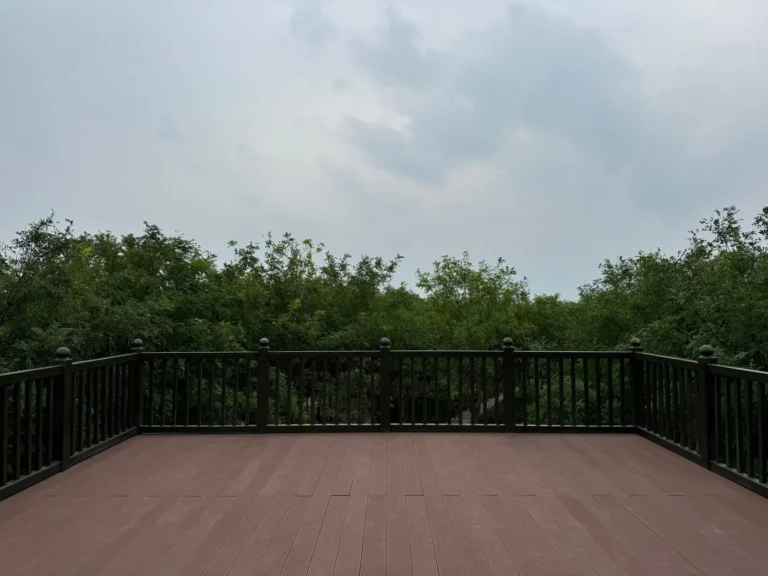
Before you budget, it helps to define the term. In contractor pricing, a simple deck usually means a ground-level or low-rise deck with straight edges, no built-in seating, no multi-level tiers, and standard railings (or none at all if it’s under 30 inches high). It’s typically a rectangle or square built on concrete deck blocks or a shallow line of footings.
A simple deck does not usually include:
- Curved or angled decking patterns
- Built-in benches, planters, or pergolas
- Staircases taller than a few steps
- Composite or exotic hardwood decking (those are upgrades)
- Lighting, privacy screens, or under-deck drainage systems
If your plan checks most of those boxes as “no,” you’re building a simple deck, and the prices in this guide apply.
Average Cost by Deck Size
The single biggest driver of how much a simple deck costs is square footage. Contractors and material suppliers price most decks per square foot, and that number tends to drop slightly as the deck gets bigger because setup costs are spread over more boards.
| Factor | Small (8×8–10×10) | Medium (12×12–12×16) |
|---|---|---|
| Typical square footage | 64–100 sq ft | 144–192 sq ft |
| Pressure-treated pine (materials only) | $800–$1,400 | $1,600–$2,800 |
| Cedar or redwood (materials only) | $1,000–$2,200 | $2,200–$4,200 |
| Installed cost (pro labor + materials) | $1,200–$3,500 | $3,000–$7,000 |
| Best for | Small seating area, grill pad | Dining set, larger gatherings |

A 10×10 pressure-treated deck is the most common “simple” build in America, and it’s the number most people mean when they ask how much a simple deck costs. Expect $15 to $30 per square foot installed for basic treated pine, or $8 to $15 per square foot if you buy the lumber and build it yourself.
Material Costs, Explained

Materials typically make up 40% to 55% of a deck’s total price when you hire a pro, and closer to 100% if you DIY. Here’s how the main budget options compare:
- Pressure-treated pine — $8–$14 per sq ft installed. The default choice. Cheap, rot-resistant, but it warps and needs sealing every couple of years.
- Cedar — $14–$22 per sq ft installed. Naturally rot- and insect-resistant, better-looking, noticeably more expensive than pine.
- Redwood — $16–$26 per sq ft installed. Premium look, increasingly pricey and harder to source in some regions.
- Composite (entry-level) — $18–$28 per sq ft installed. Low maintenance, but entry-level composite is usually a mid-tier project, not “simple.”
Pressure-treated pine remains the smart move for a simple deck on a budget. The savings versus cedar on a 12×12 deck can easily exceed $1,000.
Labor: The Hidden Half of the Bill
If you hire a contractor, expect $30 to $60 per hour for framing labor, with a two-person crew knocking out a simple ground-level deck in one to three days. Labor for a basic project usually runs $500 to $2,500 depending on your market.
Two things push labor costs up fast even on a “simple” deck:
- Height. A deck more than 30 inches above grade requires railings and, under most US building codes, deeper footings and ledger boards attached to the house. That’s more time and more material.
- Permits. Many jurisdictions require a permit for any attached deck, and some require one for freestanding decks over 200 square feet or 30 inches high. Permit fees run $50 to $500, and the inspection process adds days to the timeline.
If your soil is sandy or rocky, or the site is sloped, footings get harder to dig, which is another common labor upcharge.
Building It Yourself vs. Hiring a Pro
This is the biggest single decision in how much a simple deck costs. A homeowner with basic carpentry skills can build a ground-level 10×12 deck for $1,200 to $1,800 in materials, versus $2,500 to $4,500 for a contractor to do the same job.
The DIY savings are real, but so are the risks:
- Code compliance. Footing depth and joist spacing have to be right, or an inspector (or a future buyer’s home inspector) will flag it.
- Safety. A collapsed or uneven deck is a serious injury risk. Decks are structural, not furniture.
- Time. A pro crew finishes in a weekend; a first-timer often spends several weekends.
A sensible middle path is to have a contractor handle footings and framing, then install the deck boards and railings yourself. Many pros will quote that split, and it typically cuts 15% to 25% off the total.
For a deeper look at the labor side, see our guide on how much a deck installation costs.
How to Keep the Price Low
If you’re trying to build a simple deck without blowing the budget, these moves make the biggest difference:
- Stay under 30 inches high. Avoids railing requirements in most codes and lets you use deck blocks instead of deep concrete footings.
- Choose pressure-treated pine. You can always upgrade boards later.
- Keep the shape rectangular. Corners, curves, and diagonal cuts add labor and waste.
- Build in the off-season. Deck contractors in colder climates often discount fall and late-winter work.
- Buy materials yourself. Get three quotes from lumber yards, not just big-box stores, and watch for seasonal sales.
Frequently Asked Questions
How much does a simple deck cost per square foot?
Plan on $15 to $30 per square foot installed for pressure-treated pine, or $8 to $15 per square foot for materials alone if you build it yourself. Composite and cedar sit above that range.
Is it cheaper to build a deck or a patio?
A basic concrete patio is usually cheaper than a wood deck, often $6 to $12 per square foot installed. But a simple ground-level deck can come close on small footprints and adds more resale appeal for many buyers.
Do I need a permit for a simple deck?
It depends on your local code. Freestanding decks under 30 inches high and under 200 square feet often skip the permit in many areas, but attached decks almost always need one. Check with your city building department before you buy lumber.
How long does a simple deck last?
A pressure-treated pine deck typically lasts 15 to 20 years with proper sealing, cedar and redwood 20 to 25 years, and basic composite 25 to 30 years.
Can I build a deck directly on the ground?
Yes, if it’s designed that way. Ground-level decks rest on concrete deck blocks or a gravel base rather than deep footings, which is exactly why they’re the cheapest deck style to build.
The Bottom Line
How much does a simple deck cost? For most homeowners, the honest answer is $1,200 to $4,000, with the average basic build landing around $2,500. The number moves up or down based almost entirely on size, height, material, and whether you swing the hammer yourself or write a check to a contractor.
Start by measuring your site, deciding on pressure-treated pine unless you have a specific reason not to, and getting three written quotes that separate labor from materials. If railings are part of the picture, factor those in separately — check our guide on how much deck railing costs per foot — and if you’re weighing a standard footprint, see how much a 12×12 deck costs.
A simple deck is one of the best cost-per-square-foot improvements you can make to a home. For deeper material guidance, the pros at The Family Handyman and This Old House publish detailed, current breakdowns of deck lumber pricing and building code basics that are worth a read before you commit.
A note on planning. Quotes change frequently, and regional labor markets can shift the final figures by 10-20% either way. Always collect at least two or three written estimates before signing a contract, confirm what is included in the quote (materials, removal, cleanup, and permits), and ask whether the price is fixed or subject to change. A little diligence up front consistently prevents surprise line items and keeps the project on budget.