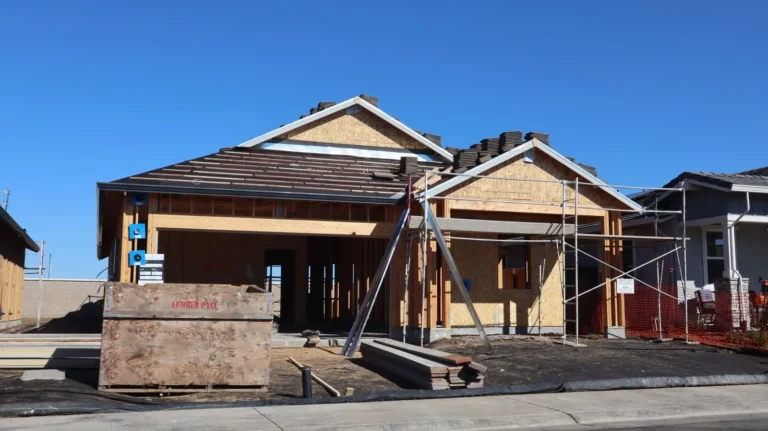

How Much Should Siding Cost? A Realistic 2024 Pricing Guide
How much should siding cost for an average American home today? Most homeowners pay between $5,400 and $17,000 for a complete siding installation depending on the material, the size of the house, and where you live. On a per-square-foot basis, the national average runs roughly $3 to $12 per square foot installed, though premium materials can push that number past $20.
Those ranges are broad for a reason. Siding isn’t a single product — you can wrap a house in basic vinyl for a few thousand dollars or sheath it in natural stone or cedar for six figures. The only way to know where your project lands is to understand what drives the price and how different materials stack up.
In this guide we break down real siding costs by material, explain the labor and prep factors that quietly inflate your quote, and give you a practical way to estimate what your own house should cost to re-side.
What Determines How Much Siding Costs
The sticker price on a siding job is a mix of material cost, labor, and site-specific conditions. Before you compare any quotes, it helps to know which levers you can actually pull.
1. Material
This is the single biggest variable. Vinyl is cheap and fast to install. Fiber cement looks like wood but costs more and takes longer to hang. Real cedar and engineered wood sit higher on the scale, and stone veneer or brick sit at the top. We got into specific numbers below.
2. Home size and shape
Siding is priced by the square foot of wall surface, not the square footage of your floor plan. To estimate wall area, pros use the house “square” — one square equals 100 square feet of siding. A 2,000-square-foot, two-story home might have 1,800 to 2,400 square feet of exterior wall, or 18 to 24 squares. Homes with gables, dormers, bump-outs, and steep roofs add more surface area and more cuts, which raises both material and labor cost.
3. Labor
Labor typically accounts for 40% to 60% of the total job. Rates run from about $1.50 to $4.50 per square foot for installation depending on your market, the crew’s experience, and how complicated the walls are. Some materials are slower to install: fiber cement, for example, is heavy and kicks up silica dust, so crews charge a premium for it over vinyl.
4. Removal and prep
If your old siding has to come off and be hauled away, expect to add $1 to $3 per square foot for tear-off and disposal. Rot, water damage, or failing house wrap underneath adds more. Even “going over” existing siding can cost extra if the walls need strapping or a flat, even base.
5. Location
Labor and material prices vary by region. New construction-heavy markets in the Southeast can run 10% to 20% cheaper than high-cost coastal metros in the Northeast or West. Permitting, if required, usually runs $200 to $600 depending on your municipality.
Average Siding Cost by Material
Here’s how the most common siding materials compare on installed cost, lifespan, and value.
| Factor | Vinyl Siding | Fiber Cement Siding | Wood (Cedar) Siding |
|---|---|---|---|
| Installed cost (per sq ft) | $3 – $7 | $5 – $12 | $6 – $14 |
| Cost for 1,500 sq ft | $4,500 – $10,500 | $7,500 – $18,000 | $9,000 – $21,000 |
| Lifespan | 20 – 40 years | 30 – 50 years | 20 – 40 years |
| Maintenance | Low (wash occasionally) | Low-moderate (repaint 10-15 yrs) | High (stain/seal every 3-5 yrs) |
Vinyl siding: $3 to $7 per square foot
Vinyl is the most common siding in America for good reason — it’s cheap, light, and quick to hang. Material alone runs $1 to $3 per square foot, with installed costs landing around $3 to $7. An average home can be re-sided in vinyl for roughly $5,000 to $10,000. Newer insulated vinyl panels run higher but can trim heating and cooling bills slightly.
Fiber cement (HardiePlank and similar): $5 to $12 per square foot
Fiber cement is the current gold standard for looks and durability. Brands like James Hardie dominate the category. It costs more than vinyl — typically $5 to $12 per square foot installed, or $7,500 to $18,000 for an average home — but it resists fire, rot, and pests better, and it convincingly mimics wood grain without the upkeep. Expect higher labor costs because the boards are heavy.
Wood and cedar: $6 to $14 per square foot
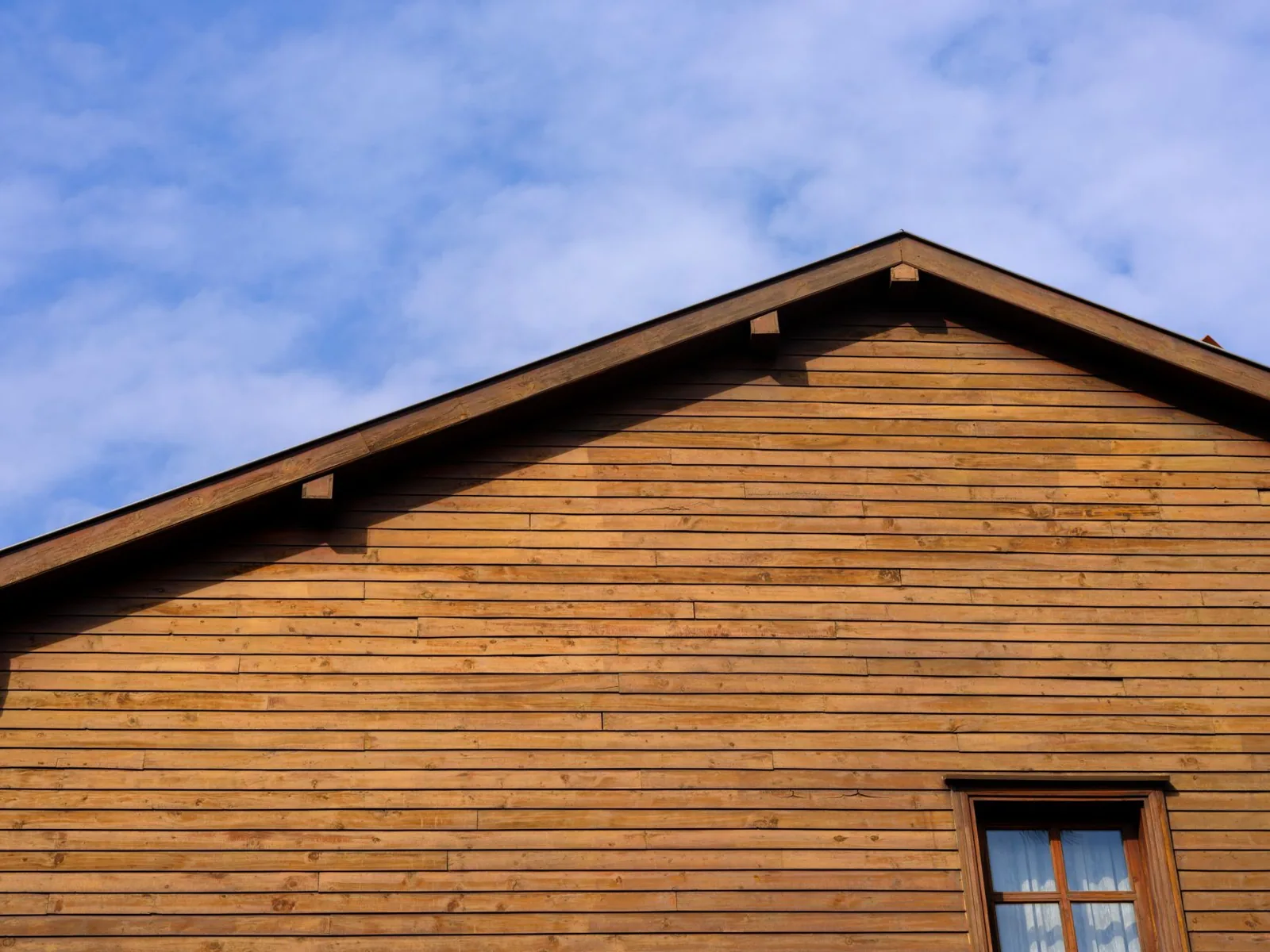
Real wood siding is gorgeous but demanding. Cedar lap siding, shingles, or board-and-batten run $6 to $14 per square foot installed, putting a full home at $9,000 to $21,000 or more. You’ll repaint or restain every three to five years, which adds real long-term cost even though the material itself matches mid-range options.
Aluminum, steel, and metal: $4 to $12 per square foot
Metal siding — aluminum, steel, and standing-seam panels — spans a wide range. Basic aluminum runs $4 to $8 per square foot installed, while steel and architectural panels can hit $12 per square foot or more. Metal is fireproof and long-lived, though aluminum dents and both can show faded coatings over time.
Stone veneer and brick: $10 to $30+ per square foot
Manufactured stone veneer starts around $10 per square foot installed and climbs fast; natural stone and full brick can exceed $30 per square foot. These are usually accent materials on a front facade rather than a whole-house solution, which keeps total cost manageable while adding major curb appeal.
Real-World Price Examples
Numbers help, but a concrete scenario paints the clearest picture. Here’s what three common project types actually cost.
- Basic re-side of a 1,500 sq ft ranch in vinyl: $4,500 to $10,500 installed, including tear-off of old siding. This is the budget-friendly baseline most homeowners start from.
- Fiber cement upgrade on a 2,200 sq ft colonial: $11,000 to $26,000. You’re paying for material quality, slower installation, and a longer lifespan.
- Full exterior refresh with cedar accents and stone veneer: $25,000 to $60,000. Mixing premium materials and adding accent stone is a remodel, not a maintenance job.
Each of these is priced “for a full replacement,” which is the realistic framing. If you’re only repairing a few damaged boards, you might pay $500 to $3,000 for a small patch job instead. For a deeper look closely at replacement specifically, see our guide on how much siding replacement costs.
How to Estimate Your Own Siding Cost
You don’t need a contractor to ballpark your number. Here’s a simple method.
- Measure your wall area. Multiply the height of each exterior wall by its width, then add them together. Subtract large windows and doors. Most homes land between 1,500 and 2,500 square feet of wall surface.
- Divide by 100 to get squares. A 2,000-square-foot wall area equals 20 squares.
- Multiply by your material’s installed rate. Use the per-square-foot ranges above. Twenty squares of vinyl at $5 per square foot is around $10,000 total.
- Add tear-off. If old siding comes off, add $1 to $3 per square foot for removal and disposal.
- Add 10% for waste and unknowns. Corners, trim, and surprises always eat into a budget.
For a cleaner per-square-foot breakdown, check our article on how much siding costs per square foot.
Additional Costs People Forget
The quoted per-square-foot price is rarely the final bill. Budget for these line items upfront.
- Trim, fascia, and soffit: Often quoted separately at $3 to $8 per linear foot installed. Old fascia and soffit are frequently rotten and need replacing while the crew is up there.
- House wrap and insulation: New wrap runs a few hundred dollars and is well worth it behind new siding. Adding rigid foam or insulated panels costs more but improves comfort.
- Gutters: Siding replacement often disturbs gutters, and many homeowners replace them at the same time for $4 to $12 per linear foot.
- Old repairs exposed: Once old siding comes off, rot and pest damage typically surface. Budget 5% to 10% of the project for repairs.
How to Get an Accurate Quote
Siding estimates are only reliable when they’re apples-to-apples. Request at least three written quotes and make sure each one spells out the same scope: the material brand and grade, the wall area in squares, whether tear-off is included, and which trim pieces are covered.
Be wary of quotes that look dramatically low — they often exclude tear-off, trim, or waste. The right contractor will walk the property, measure the walls, and note problem areas before pricing. For help finding a dependable crew, see our list of the best siding replacement companies.
For current benchmarks and deeper how-to detail, the team at This Old House keeps regularly updated reference guides worth bookmarking.
Frequently Asked Questions
How much should siding cost for a 2,000 square foot house?
For a 2,000-square-foot home, expect roughly $6,000 to $24,000 depending on material. Vinyl lands on the low end at $6,000 to $14,000, fiber cement in the $10,000 to $24,000 range, and premium wood or stone well above that.
Is it cheaper to repair siding or replace it?
Repair is cheaper for isolated damage. Patching a few cracked vinyl panels or one rotten board typically costs $300 to $2,000. If more than about 25% of the siding is failing, or you’re chasing rot across the house, full replacement is usually the better long-term value.
Does new siding increase home value?
Yes, siding consistently ranks among the best return-on-investment home improvements. According to Remodeling magazine’s Cost vs. Value report, fiber cement and vinyl replacement often recoup 68% to 90% of their cost at resale. A fresh exterior also strengthens curb appeal before a listing.
How long does siding installation take?
An average single-family home takes a professional crew 5 to 10 days for vinyl or fiber cement. Complex homes, wood siding, or stone veneer can stretch the job to two to three weeks, and weather frequently delays exterior work.
Can I install siding myself to save money?
Yes, but only for certain materials. Vinyl and some engineered wood are DIY-friendly if you’re comfortable with ladders and straight cuts, and you could save 40% to 60% by skipping labor. Fiber cement and full brick or stone are best left to professionals — mistakes here are costly to undo.
The Bottom Line
How much should siding cost? For most homeowners, the honest answer is $5,400 to $17,000, with the spread explained almost entirely by material choice and home size. Vinyl keeps you on the budget end; fiber cement and wood buy longevity and looks; stone and brick pay for prestige.
Get three itemized quotes, insist on the same scope from each, and don’t chase the lowest number — the cheapest bid often hides the tear-off or trim work you’ll pay for later. For more detail on replacement pricing and per-square-foot benchmarks, visit our guides on the average cost of siding replacement per square foot and how much siding replacement costs.