How Much Should Fencing Cost Per Meter? 2025 Price Guide
If you’re planning a new fence, the first question that stops almost every homeowner is simple: how much should fencing cost per meter? The honest answer is that there is no single number. A basic timber panel fence can run as little as $25 to $45 per meter in materials alone, while a premium aluminum or wrought-iron fence with full professional installation can top $150 per meter. Most residential projects in the US, UK, Canada, and Australia land somewhere between $60 and $120 per meter all-in, materials and labor included.
The wide spread comes down to a handful of variables you control: the material you choose, the height and length of the fence, your terrain, and whether you install it yourself or pay a pro. The good news is that once you understand how those factors move the price, you can budget accurately and avoid the surprise quotes that derail so many fencing projects. This guide breaks down real, current numbers so you can plan with confidence.
What Drives the Price of a Fence Per Meter
Before you compare materials, it helps to know what you’re actually paying for. A fence quote is rarely just “wood” or “metal.” These factors move the price more than almost anything else:
- Material cost — the raw panels, posts, rails, and fixings. This is usually 40–60% of the total.
- Labor — digging post holes, setting posts in concrete, hanging panels or rails, and finishing. Expect $30 to $60 per meter for standard installs.
- Post holes and concrete — every post needs a hole (typically 600 mm to 800 mm deep) and a bag or two of concrete. Hard, rocky, or clay-heavy soil adds time and cost.
- Fence height — a 1.8 m (6 ft) fence needs taller, stronger posts and more material than a 1.2 m (4 ft) one, so cost rises roughly 15–25% per extra foot of height.
- Terrain and access — sloped or uneven ground, tree roots, or tight access to your yard all increase labor charges.
- Gates — a single pedestrian gate can add $150 to $500; a double driveway gate can add $1,000 or more.
- Old fence removal — clearing and disposing of an existing fence typically adds $15 to $30 per meter.
Once you know these levers, the per-meter figures below make a lot more sense.
Fencing Cost Per Meter by Material
The single biggest decision is the material. Here are realistic, all-in ranges (materials plus professional installation) for the most common options across US, UK, CA, and AU markets, converted to per-meter terms where useful.
| Factor | Wood (Timber) | Vinyl / PVC | Aluminum | Wrought Iron |
|---|---|---|---|---|
| Material only (per meter) | $25–$60 | $40–$80 | $45–$90 | $70–$140 |
| Installed (per meter) | $50–$110 | $70–$150 | $80–$170 | $120–$250 |
| Lifespan | 10–20 years | 20–35 years | 30+ years | 30+ years |
| Maintenance | Paint/stain every 2–4 years | Wash occasionally | None | Rust paint every few years |
| Best for | Budget, natural look | Low maintenance | Durability, style | Security, elegance |
Wood and Timber Fencing
Wood remains the most popular fencing material in North America and the UK because it’s affordable and flexible. Pressure-treated pine or cedar panels in the US commonly run $25 to $60 per meter for materials, with installed totals of $50 to $110 per meter. In the UK, featherboard or closeboard panel fencing typically lands around £30 to £70 per meter installed. The trade-off is upkeep: wood needs staining or sealing every two to four years, and posts can rot if drainage is poor. If you’re on a budget and don’t mind occasional maintenance, this is usually your best value.

Vinyl and PVC Fencing
Vinyl costs more upfront but saves money over time because it never needs painting or staining. Expect $40 to $80 per meter for materials and $70 to $150 per meter installed. Vinyl’s big weaknesses are expansion in extreme heat and cracking in severe cold, so it performs best in moderate climates. Over a 25-year span, many homeowners find vinyl and wood cost roughly the same once you factor in the painting a timber fence requires.
Aluminum Fencing
Aluminum is the go-to for a clean, ornamental look without the weight or rust problems of iron. Installed prices typically run $80 to $170 per meter. Aluminum panels come pre-finished in powder-coated colors, and the material will not rust, making it ideal for coastal or humid areas. It’s not the most private option — open picket designs are standard — but it’s a favorite for pools and front yards where appearance matters more than full screening.
Wrought Iron and Steel
True wrought iron is rare and expensive; most “iron” fences today are actually steel. Either way, this is the premium end: $120 to $250 per meter installed. You’re paying for strength, security, and a timeless look. The downside is cost and maintenance, since steel can rust and needs periodic repainting. If your priority is a fence that lasts decades and deters intruders, the investment pays off.
DIY vs. Hiring a Professional
Labor is the most controllable cost in any fencing budget, so the DIY question is worth weighing carefully. Doing it yourself can cut the installed price roughly in half, since you’re only paying for materials and tool rental. A homeowner comfortable with a post-hole digger and a level can install 15 to 25 meters of simple panel fencing over a weekend.
That said, the savings come with real risks. Professional fence contractors dig deeper post holes, set posts below the frost line where required, and produce straighter lines than most homeowners manage on their first attempt. A badly set post will lean within a year. If your ground is rocky, sloped, or full of roots — or if you need a stretch longer than about 30 meters — hiring a pro is usually the smarter call. If you’re replacing an existing fence rather than starting fresh, check our guide on how much it costs to replace a fence per foot for the specific factors that affect removal and reinstallation.
How Location and Local Prices Change the Cost
Where you live moves the number more than most people expect. Here’s a rough sense of how regional labor rates shift installed fencing prices:
- United States — labor rates of $25 to $70 per hour mean installed wood fences commonly land between $55 and $110 per meter, with the highest prices in coastal metros and the lowest in the Midwest and South.
- United Kingdom — typical installed timber fencing runs £30 to £70 per meter, with London and the Southeast at the top of the range.
- Canada — cold-climate requirements like deeper post holes and frost-rated concrete push installed wood to roughly CAD $60 to $120 per meter.
- Australia — Colorbond steel fencing is the regional favorite, often AUD $75 to $150 per meter installed, depending on the city.
If you’re trying to pin down a total budget for your whole yard rather than a per-meter rate, our breakdown of how much a full fence costs walks through the math for common property sizes.

How to Estimate Your Own Fence Cost
You can build a solid per-meter estimate without a single phone call. Follow this order:
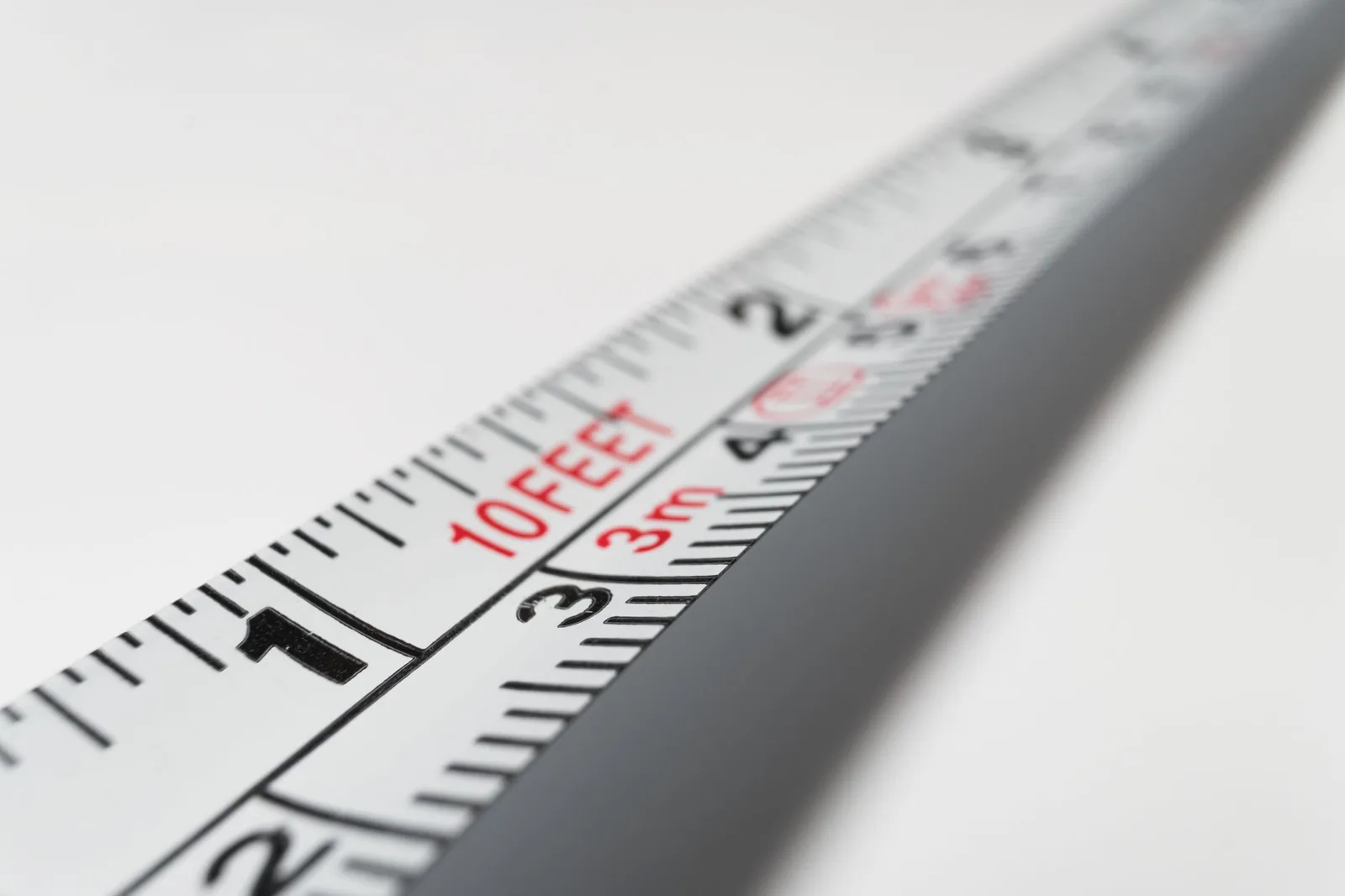
- Measure the run — use a long tape or a measuring wheel along the exact fence line, in meters.
- Pick a material — choose from the table above and note the low and high end of the range.
- Count posts and gates — plan one post every 2 to 2.5 meters, plus a gate (and its hardware) where needed.
- Check terrain — add 10–20% for slopes, rocks, or roots.
- Add removal — if there’s an old fence, add $15 to $30 per meter.
- Get three quotes — local contractors will confirm whether your estimate is realistic.
This approach gets you within 10–15% of a real quote almost every time. For a closer look at whether your numbers are reasonable, see our guide to how much fencing costs overall, which collects typical totals and factors homeowners often forget.
Frequently Asked Questions
How much should I pay for a fence per meter?
Most homeowners pay between $60 and $120 per meter installed, depending on material. Wood sits at the low end ($50 to $110), while vinyl, aluminum, and iron run progressively higher, up to $250 per meter for premium steel.
Is it cheaper to buy fence panels or build from scratch?
For wood, pre-assembled panels are usually cheaper and faster than building a fence from individual pickets, because you save significant labor. For metal and vinyl, pre-made panels are essentially your only practical option.
How long does a fence last?
It depends on the material. Untreated wood may need replacing in 10 years, pressure-treated wood lasts 15 to 20, vinyl 20 to 35, and aluminum or steel can easily exceed 30 years with light upkeep.
Do I need a permit to build a fence?
In most US and UK jurisdictions, fences under a certain height (often 1.8 m or 6 ft) don’t require a permit, but setback rules, height limits, and HOA covenants vary. Always check with your local building department before digging, especially for front-yard or corner-lot fences.
Can I put up a fence myself to save money?
Yes — DIY installation typically halves the cost, since labor is the biggest single line item. It’s most realistic for short runs of panel fencing on flat ground; long runs, slopes, and heavy materials like iron are best left to pros.
The Bottom Line
So how much should fencing cost per meter? For a realistic mid-range budget, plan on $60 to $120 per meter for a professionally installed fence, with wood anchoring the low end and steel at the top. Materials alone run $25 to $140 per meter depending on what you pick. The key is to measure accurately, choose a material that matches both your budget and your tolerance for maintenance, and get at least three local quotes before you commit.
According to HomeAdvisor’s fencing cost data, national average fence installs reflect exactly this spread, and This Old House’s fence guidance echoes the same advice: the right fence is the one that fits your budget, your property, and how much upkeep you’re willing to take on. Set your measurements, know your material, and you’ll walk into every quote knowing exactly what a fair per-meter price looks like.