
Siding Replacement Cost Per Square Foot: A Complete 2026 Pricing Guide
Siding replacement cost per square foot runs between $4 and $14 for most homes in 2026, including materials and labor. The exact number depends almost entirely on the siding material you pick: basic vinyl starts around $4 per square foot installed, while fiber cement, engineered wood, and natural wood climb into the $7 to $16 range. Brick veneer and premium wood can push past $20 per square foot.
For a typical single-story home with 1,500 to 2,000 square feet of exterior wall area, the full siding replacement job usually lands between $9,000 and $25,000. That’s a wide spread, but it’s honest — the difference between vinyl and fiber cement alone can move your budget by $5,000 or more on the same house.
This guide breaks down the cost per square foot for every major siding material, explains what labor should cost, and shows where homeowners commonly overpay. Use it to compare bids on equal footing and avoid surprises at the final invoice.
What the Per-Square-Foot Number Actually Includes
Before comparing prices, it helps to know what “per square foot” means in a siding quote. In the trades, siding is priced by the square, which is 100 square feet. When a contractor tells you they charge $900 per square, that translates to $9 per square foot.
A complete per-square-foot figure should bundle three things:
- Materials — the siding panels or shingles themselves, plus trim, corner pieces, starter strips, fasteners, and house wrap.
- Labor — tear-off of old siding, repairs to the sheathing underneath, installation, and cleanup.
- Disposal — dumpster rental and landfill fees for the old material, which commonly adds $400 to $800 on a full house.
Quotes that look suspiciously low often leave out tear-off, structural repairs, or disposal. A rotten sheathing board behind your old siding is the classic surprise — expect to pay $50 to $100 per 4×8 sheet replaced, and older homes frequently need several.
Siding Replacement Cost Per Square Foot by Material
The single biggest cost driver is the material. Here’s what you’ll realistically pay in 2026 for installed siding, including labor, on a typical home.
| Material | Cost per sq ft (Installed) | Best For |
|---|---|---|
| Vinyl siding | $4 – $8 | Budget-conscious homes, low maintenance |
| Aluminum siding | $5 – $9 | Older homes, coastal climates |
| Engineered wood | $6 – $12 | Wood look, better impact resistance |
| Fiber cement (James Hardie) | $7 – $13 | Premium durability, fire resistance |
| Natural wood (cedar, redwood) | $8 – $16 | High-end curb appeal, willing to maintain |
| Brick veneer | $12 – $22 | Maximum longevity, minimal upkeep |
These ranges reflect national averages and will shift based on your region, the height of your home, and how much of the old siding has to come off first. A two-story or three-story house always costs more per square foot because of scaffolding and slower work.
Vinyl: the Low-Cost Standard
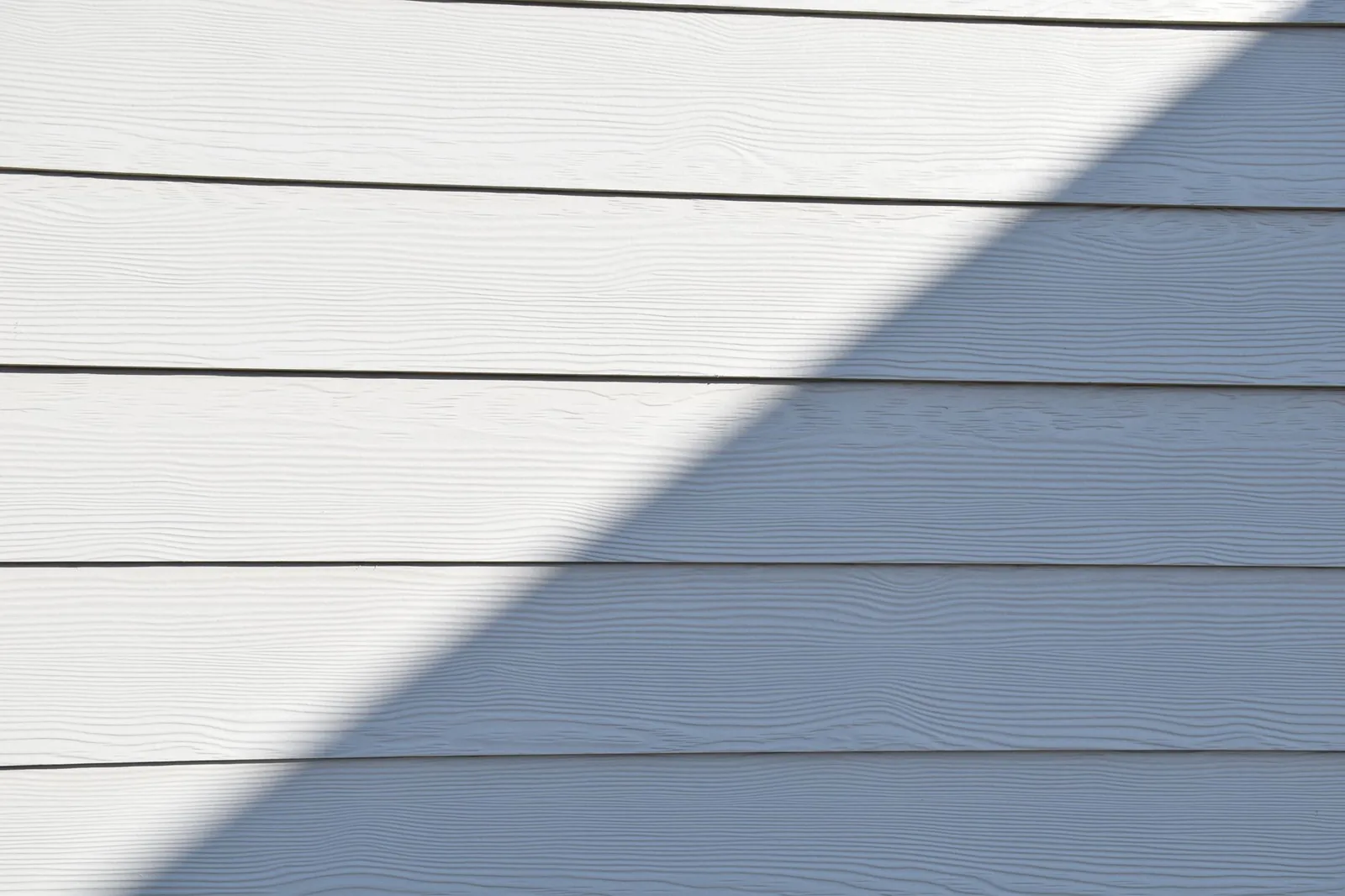
Vinyl remains the most common siding in the United States, and for good reason. At $4 to $8 per square foot installed, it’s the cheapest way to re-side a house, and modern insulated vinyl looks far better than the flimsy panels of the 1990s.
The trade-off is lifespan and taste. Vinyl lasts 20 to 40 years, resists rot and insects, and never needs painting, but it can crack in extreme cold and fade in years of direct sun. If you’re planning to sell within a few years, vinyl is usually the right financial call.
Fiber Cement: the Mid-Range Upgrade
Fiber cement — the category dominated by James Hardie siding — typically runs $7 to $13 per square foot installed. Homeowners pay the premium for two things: fire resistance and a realistic wood-grain look that holds paint far longer than real wood.
One caveat worth knowing: fiber cement is heavy and produces silica dust when cut, so installation labor runs higher than vinyl. Don’t let a contractor convince you it’s a $4-per-square-foot material; anyone quoting that low is cutting labor corners or omitting proper trim.
Natural Wood: Beauty at a Price
Cedar, redwood, and cypress siding cost $8 to $16 per square foot installed, and that’s before you account for the paint or stain and the every-few-years maintenance they demand. Wood is still the most beautiful option on the market, but it’s a lifestyle choice, not a budget one.
If you love the look but hate the upkeep, engineered wood siding — made from wood fibers and resins — splits the difference at $6 to $12 per square foot with better impact resistance and prefinished options.
What Labor Costs Per Square Foot
Labor is typically 50% to 60% of the total siding replacement cost per square foot. Nationally, siding installers charge between $1 and $4 per square foot for labor alone, depending on material complexity and home height.
- Vinyl and aluminum: $1.50 – $3 per sq ft in labor
- Engineered wood: $2 – $4 per sq ft in labor
- Fiber cement: $3 – $6 per sq ft in labor
- Natural wood: $4 – $7 per sq ft in labor
- Brick veneer: $8 – $12 per sq ft in labor
Two other line items show up on nearly every estimate. Trim and soffit work adds $3 to $6 per linear foot, and structural repairs — fixing water-damaged sheathing or framing — can add anywhere from a few hundred dollars to several thousand on an older home. Ask every bidder whether they’ve accounted for repairs in writing before you compare totals.
Factors That Move Your Total Up or Down
Beyond material and labor, five variables explain most of the difference between two quotes for the same house.
- Home size and layout: more wall area, more corners, and more stories all raise the per-square-foot price.
- Tear-off of old siding: removing and disposing of existing siding adds $1 to $3 per square foot compared with new construction.
- Insulation upgrades: adding rigid foam or insulated panels runs $1 to $3 per square foot extra and pays back over time in energy savings.
- Region and season: labor is pricier in coastal metros and in peak spring/summer months.
- Permits: most municipalities charge $100 to $500 for a re-siding permit.
If you’re weighing whether the investment is worth it, the honest answer is usually yes — how much should siding replacement cost covers the full return-on-investment picture, including how much of the job you’ll recoup at resale. Most national cost surveys put siding replacement’s ROI in the 65% to 80% range.
Full Project Cost: What Homeowners Actually Pay
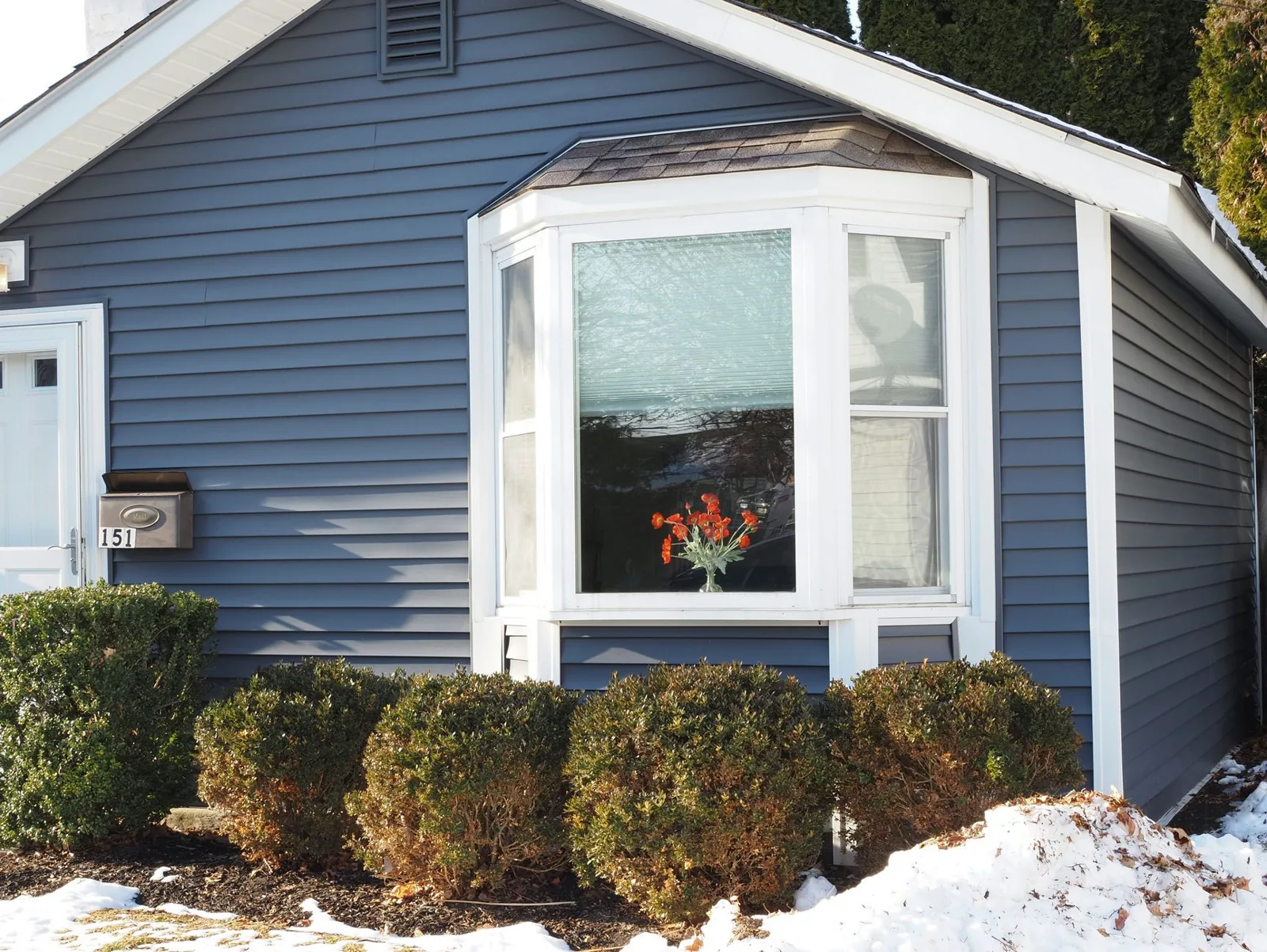
To put the per-square-foot numbers in context, here’s what a full re-siding job costs on a mid-size home at each pricing tier. These assume a 1,700-square-foot single-story house with roughly 2,000 square feet of wall area.
| Scope | Low End | High End |
|---|---|---|
| Vinyl full replacement | $8,000 | $14,000 |
| Engineered wood full replacement | $12,000 | $20,000 |
| Fiber cement full replacement | $14,000 | $24,000 |
| Natural wood full replacement | $16,000 | $30,000 |
Remember that the square footage of your wall area is different from your home’s living area. A 2,000-square-foot rancher can easily have 2,200 square feet of wall surface; a two-story home packs more living space into less wall. Always ask your contractor to break out the wall-area measurement so you can verify their per-square-foot math yourself.
For a deeper explore how the math works, how much siding cost per square foot walks through measuring your own home’s wall area step by step.
How to Get an Accurate Quote
The fastest way to overpay is to accept the first number you’re given. Instead:
- Get three written quotes and reject any that isn’t itemized by material, labor, tear-off, and disposal.
- Confirm the wall-area square footage each contractor is using — the numbers should match within a few percent.
- Ask about repairs and permits in writing so they can’t become invoiced surprises later.
- Check that the liner is rated for your climate (wind rating in hurricane zones, UV stability in the Sun Belt).
- Verify license and insurance before signing anything, especially for a multi-thousand-dollar exterior job.
When comparing quotes, don’t just pick the lowest per-square-foot number. A cheaper installer quoting $5.50 per square foot who leaves out tear-off will cost you more than an honest $7-per-square-foot bid once the change orders arrive. Working with established, vetted siding replacement companies is worth the slight premium on a job this size.
Frequently Asked Questions
How much does it cost to replace siding on a 2,000 sq ft house?
On a 2,000-square-foot home, expect to pay roughly $12,000 to $20,000 for vinyl or engineered wood, $16,000 to $28,000 for fiber cement, and $20,000 to $35,000 for natural wood or brick veneer. The range depends on whether the house is one or two stories and how much old siding needs removal.
Is it cheaper to replace siding or paint it?
Painting is always cheaper up front — usually $5,000 to $9,000 for a full house versus $12,000 and up for new siding. But if your siding is cracked, rotting, or past its lifespan, painting only masks the problem for a few years. Replace once and you’re done for 20 to 40 years; repaint every 5 to 10 years and the cost compounds.
Can I install siding myself to save money?
You can, and doing so cuts the cost of labor out of the equation, leaving you with roughly 40% to 50% of the professional price for materials and tools. But siding is unforgiving work: improper flashing, missed house wrap, or off-level courses lead to water intrusion and warped walls that cost far more to fix. Most homeowners are better off hiring out a full house and doing smaller repairs themselves.
How long does siding replacement take?
A professional crew can re-side an average single-story home in 5 to 10 working days. Two-story homes, fiber cement, and jobs requiring significant sheathing repair run 2 to 3 weeks. Weather is the wild card — crews typically won’t install siding below freezing or in steady rain.
What is the most cost-effective siding?
Vinyl is the most cost-effective siding over a 20-year horizon: it’s cheap to buy, cheap to install, and requires almost nothing in maintenance. If you plan to stay in the home 20-plus years and value durability over upfront savings, fiber cement wins on total cost of ownership despite its higher per-square-foot price.
The Bottom Line
Siding replacement cost per square foot sits in a predictable band — roughly $4 to $14 installed, with labor accounting for about half. Your material choice determines where you land inside that band, and your home’s size, height, and condition determine the final total.
Get three itemized quotes, verify the wall-area math, and don’t chase the lowest number at the expense of tear-off, repairs, and permits. For most homes, the job runs in the $12,000 to $24,000 range and pays back a meaningful chunk of its cost when you sell.
Ready to price out your project? Start by getting an itemized estimate from a licensed local contractor, and check how much does siding cost to replace for a step-by-step look at the entire process from quote to cleanup. Reliable reference tables are also available from Angi’s siding cost data and This Old House’s siding replacement guide.